
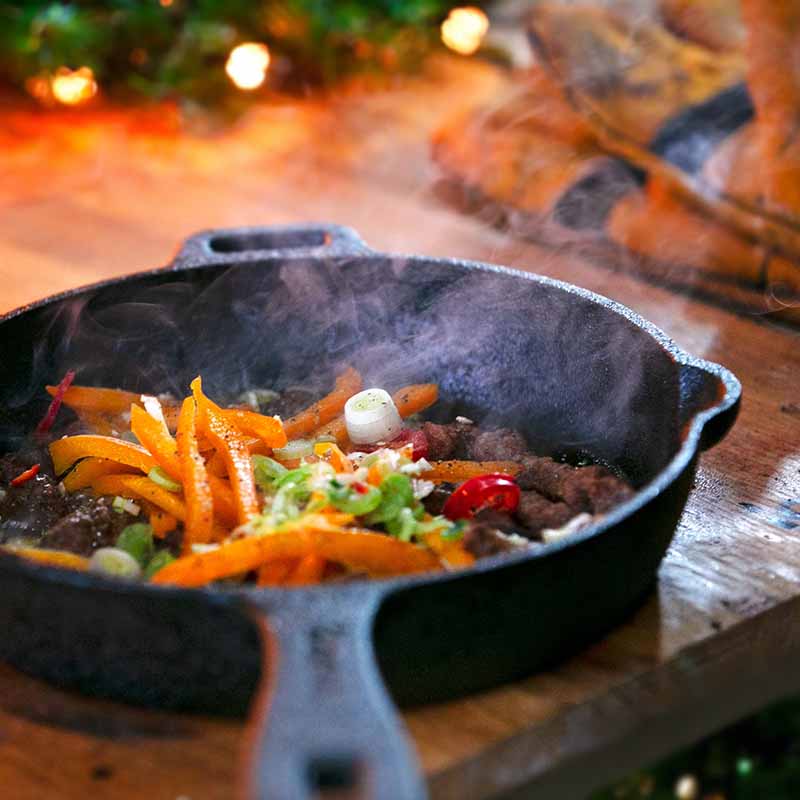
Oct
Uncategorized
What Temperature Should a Pizza Oven Be for Different Foods?
September’s here, the evenings are drawing in, there’s a chill in the air after 7 pm, and plenty of people pack the garden stuff away. Don’t be one of those people! Autumn is one of the best times to cook with fire, and your Igneus Pizza Oven can do a lot more than pizza. The trick is knowing what temperature suits what food, and how to get a whole meal out of one fire. In this article, we go through the basics so you can extend those evenings in the garden.
Pizza
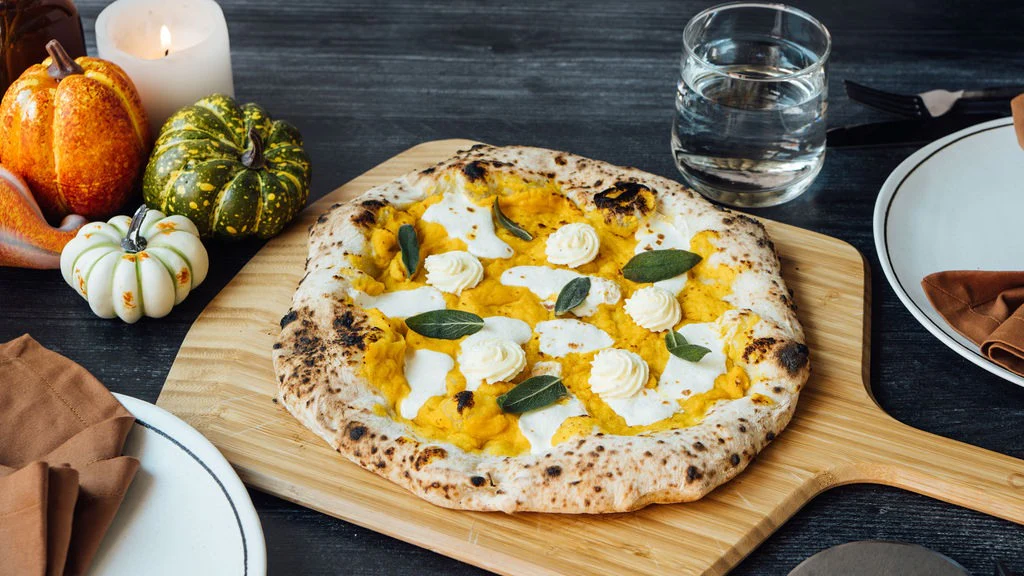
Let’s start with the obvious one, pizza. For a proper Neapolitan-style pizza, you want the oven floor sitting somewhere around 350°C and the ambient air temperature around 450°C. At that heat, your pizza is done in 60-90 seconds, the crust puffs up and gets those signature leopard spots, and the toppings stay fresh rather than stewing.
Thicker bases and loaded pizzas are a different story. If you pile on the toppings or go for a pan pizza like a Detroit-style, you’ll want to drop the heat to around 300°C -370°C and give it 3-5 minutes; otherwise, the crust burns before the middle’s cooked.
Igneus Pro Tip: the dome and the floor aren’t the same temperature. Point your infrared thermometer at the stone and give the floor a minute or so to recover between pizzas. For more on this, have a read of our 3 Hacks to Achieve a Perfect Pizza Crust.
Bread, Flatbreads and Bakes
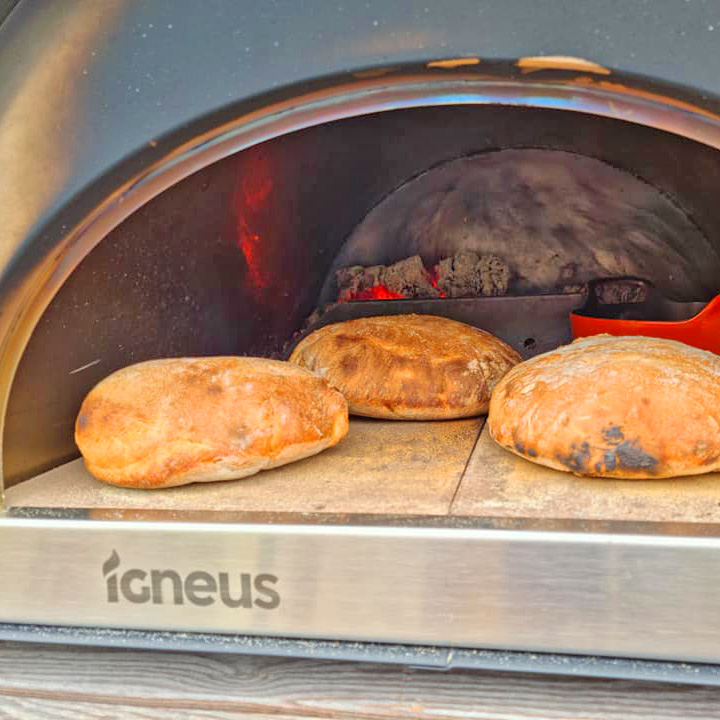
Once the pizzas are done, don’t let all that heat go to waste. Flatbreads, naan and pittas love it hot, so anything from 350°C upwards works, and they’ll only take a minute or so each. Perfect for dunking in a big bowl of curry, stew or soup now that the nights are getting colder.
For a proper loaf, you need to let things calm down a bit. Let the fire burn down to embers, pop the door in position and aim for about 220–260°C. That gentler heat is exactly what bread wants: a good crust with a soft inside. If you’ve never tried it, our blog, Top Tips for Baking Bread in your Pizza Oven is a good place to start.
And for pudding? Once the oven drops to 180–200°C, it’s perfect for an apple and blackberry crumble. Very September!
Meat, Fish and Veg
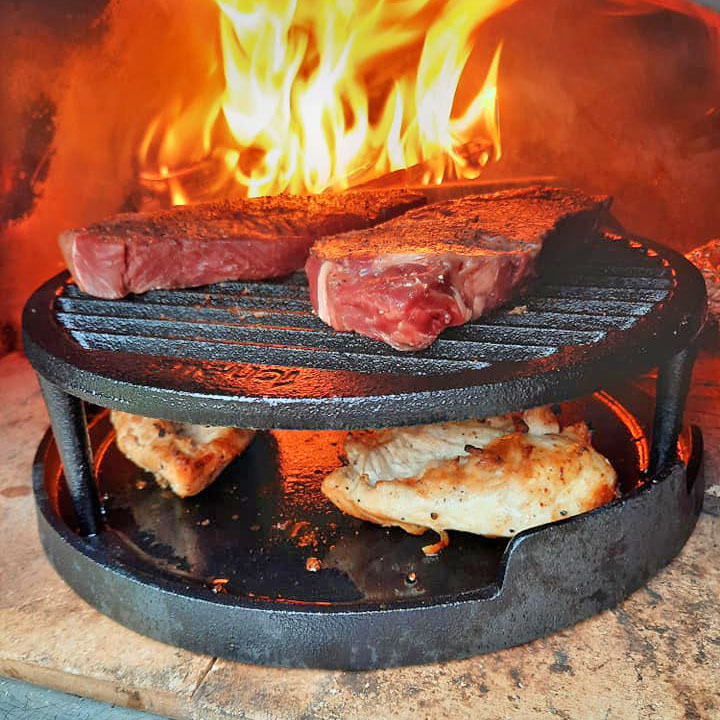
This is where autumn cooking really comes into its own. A steak in a cast iron pan at 300°C plus gets a sear you just can’t get on the hob (How to Cook the Ultimate Steak in your Pizza Oven). Fish likes it a bit gentler, around 250–300°C, and you want to cook it quickly so it doesn’t go dry.
For a roast chicken or a pork joint, aim for 200–250°C with the door on. Same goes for veg, and September is prime time for those earthy veggies that can withstand slightly hotter cooking. Squash, beetroot, carrots, red onions- they all pick up a proper smoky flavour from the wood that you won’t get in the kitchen oven.
Then there’s low and slow. Even after the flames have died down, your Igneus oven will happily sit at 120–160°C for hours with the door on thanks to the high-quality insulation. Pulled pork, stews, slow-cooked beef- just leave it in there and let the oven do all the work.
Final Thoughts
The easiest way to think about it is to cook in the order the fire cools. Pizzas while it’s roaring, bread as it settles, roasts after that and something slow-cooked to finish. That’s the beauty of wood. You light it once and get a whole day’s cooking out of it, which a gas oven can’t do. So don’t cover your Igneus just yet; get it fired up this weekend and see how much you can cook from one fire.
Thanks for reading, and as always, if you’d like to learn more about the range of Igneus Pizza Ovens, or have any questions you need answered, our friendly team is here to help. Call us on 01423 575885 or explore our full range of ovens and pizza oven accessories here.